10 Signs Your Dog Needs a Dog Friend
10 Signs Your Dog Needs a Dog Friend
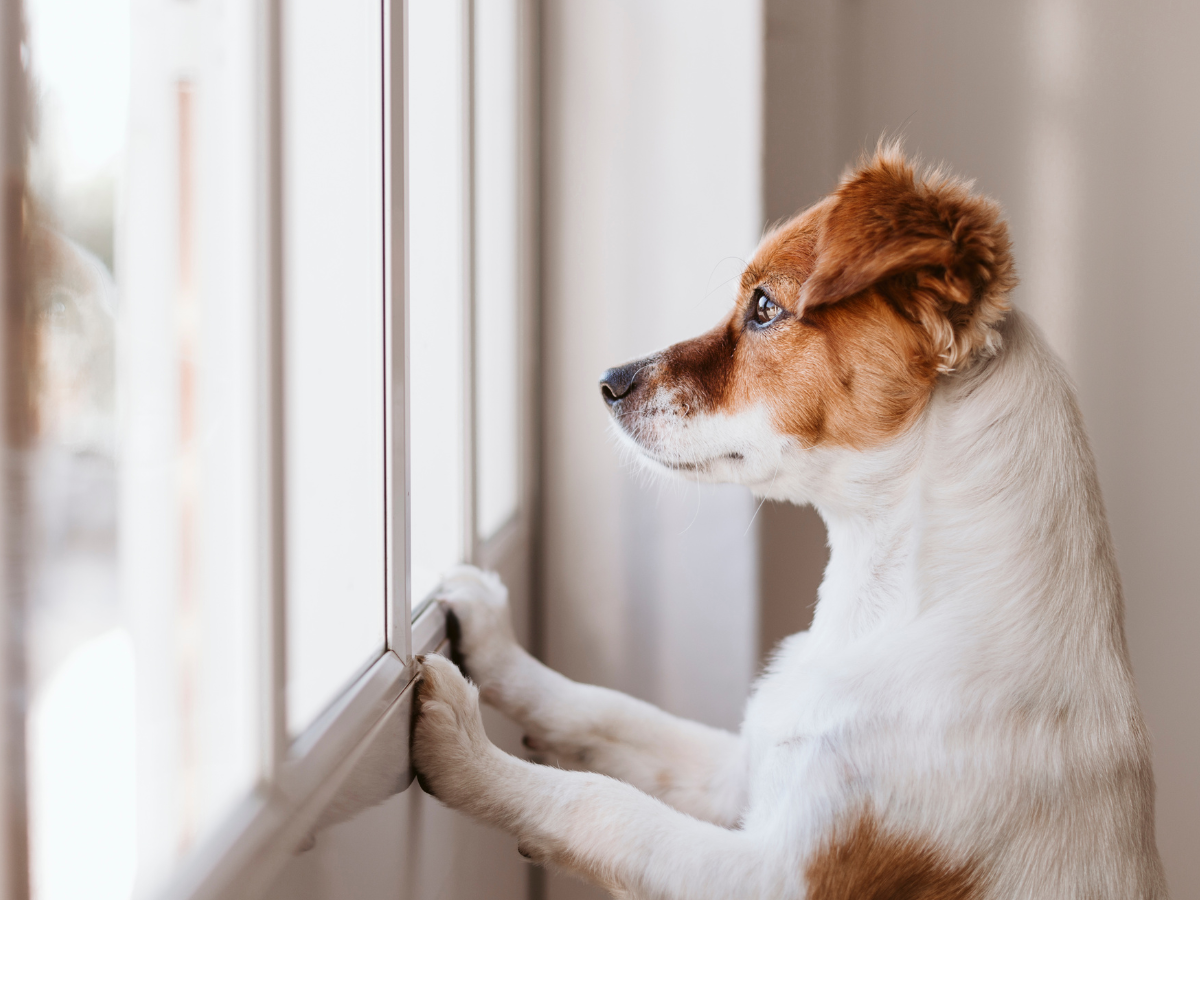
Vet Reviewed

By: Sarah Hodgson
January 1, 1970
Table of Contents
Dogs are known for their loyalty and affection towards their owners. They are often referred to as man's best friend for a reason. But, as much as we love our furry companions, we cannot always be there for them. This is where the importance of a dog friend comes in.
Having a dog friend can provide your dog with the love and companionship they need when you're not there. It can also help them develop their social skills and prevent them from feeling lonely. In this article, we will discuss 8 signs that may indicate that your dog may need a dog friend.
Let's dive in!
The Importance of Socialization
Socialization is the process of introducing a dog to other dogs and people. Well-socialized dogs are more confident, less anxious, and less aggressive. Socialization helps dogs learn how to interact with other dogs and people, and it also helps them develop their social skills.
It is important to socialize your dog from a young age. Puppies should be exposed to a variety of people and other dogs to help them develop their social skills. Adult dogs can also benefit from socialization, but it may take more time and effort to socialize an adult dog.
8 Signs That Your Dog Needs a Friend

1. Excessive Barking or Whining
One of the most common signs of loneliness in dogs is excessive barking or whining. When dogs feel lonely, they may bark or whine to get attention or express their frustration. This behavior can be particularly problematic if you live in an apartment or have close neighbors.
2. Restlessness at Home
One of the signs that your dog needs a dog friend is restlessness at home. If your dog is constantly pacing, whining, or seems bored, it may be a sign that they are in need of some social interaction with other dogs.
Dogs are social animals and they thrive on companionship. If your dog is left alone for long periods of time, they may become restless and anxious, which can lead to destructive behavior such as chewing or digging.
Having a dog friend can provide your dog with the social interaction they need to keep them mentally stimulated and happy. They can play together, go for walks together, and even cuddle up together for a nap.
3. Changes in Sleep Patterns
Lonely dogs may also experience changes in their sleep patterns. They may sleep more than usual or have trouble sleeping at night, which can lead to further anxiety and restlessness.
One way to determine if your dog is sleeping excessively is to compare their sleep patterns to their normal routine. If they are sleeping more than usual, it may be a sign that they are not getting enough stimulation or exercise.
If you notice any of these signs in your dog, it may be time to consider getting them a dog friend. Having a companion can provide your dog with the social interaction and stimulation they need to stay happy and healthy.
4. Fear and Anxiety in Social Settings
If your dog displays fear or anxiety in social settings, it may take some time for them to adjust to a new dog. Signs of fear or anxiety may include trembling, hiding, or excessive panting. It's important to slowly introduce your dog to new dogs in a controlled environment, such as a dog park or on a walk, to help them become more comfortable.
5. Changes in Eating Habits
When a dog starts to feel lonely or bored, they may lose interest in eating or start to overeat. Changes in eating habits can be an indication that your dog needs a dog friend.
Some dogs may stop eating altogether, while others may start to overeat as a way to cope with their emotions. If your dog is exhibiting any of these behaviors, it's important to monitor their eating habits closely and consult with a veterinarian if necessary.
Additionally, eating habits can also be affected by stress and anxiety, which can be alleviated by the presence of a dog friend. Having a companion can help your dog feel more relaxed and secure, which in turn can lead to a healthier appetite.
To help your dog maintain a healthy weight and eating habits, consider introducing them to a new dog friend. This can provide them with the social interaction and mental stimulation they need to stay happy and healthy.
6. Isolation and Depression
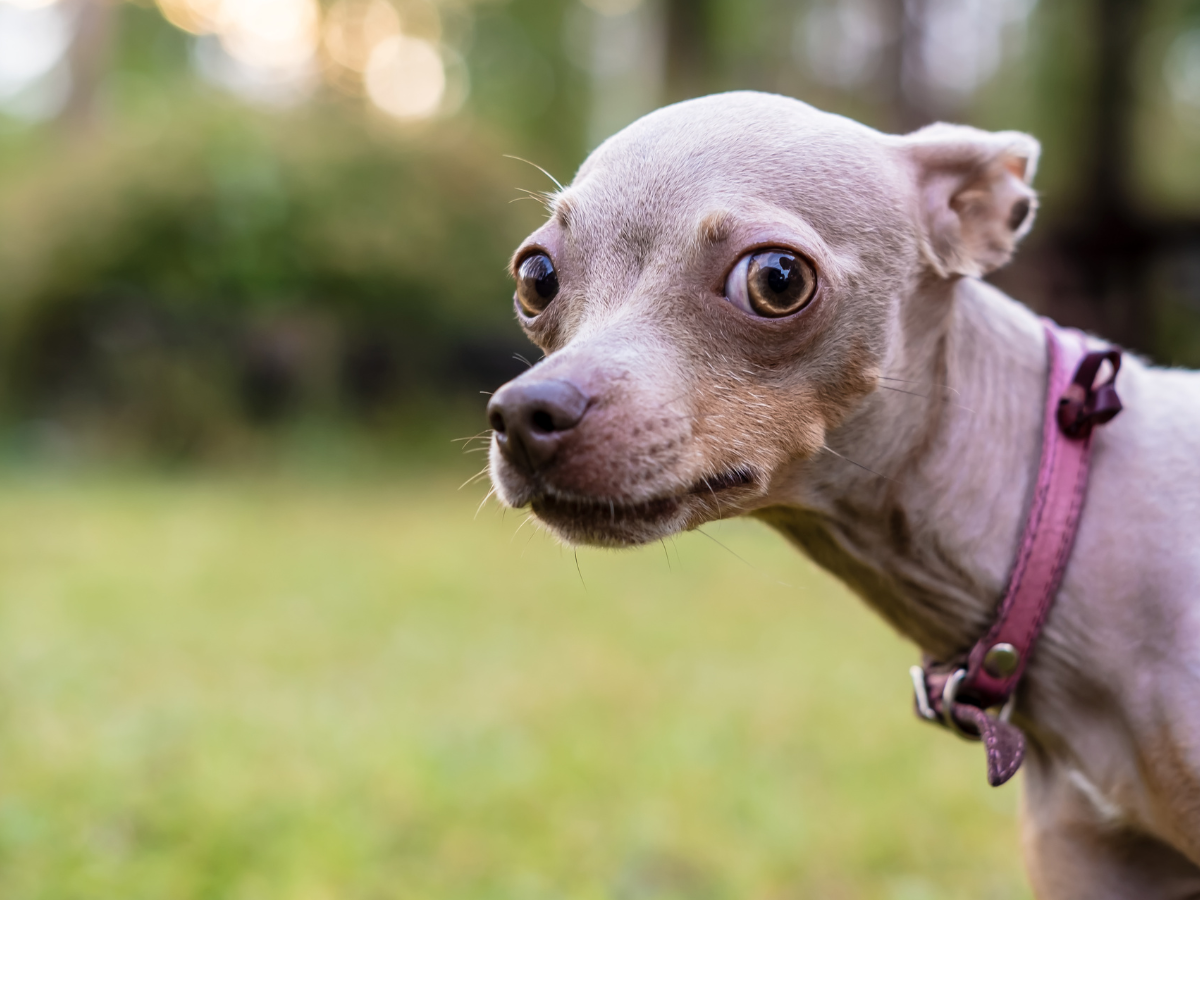
Dogs are social animals and thrive on companionship. When a dog is left alone for long periods of time, it can lead to isolation and depression. Signs that your dog may be experiencing isolation and depression include:
- Loss of appetite
- Lethargy
- Lack of interest in playing or going for walks
- Excessive sleeping
- Increased vocalization such as whining or barking
If your dog is experiencing any of these symptoms, it may be time to consider getting them a furry friend.
Having another dog in the house can provide your dog with the companionship they need to stay mentally and emotionally healthy. It can also help to prevent destructive behaviors that may result from boredom and loneliness.
7. Destructive Behavior
Dogs who are lonely may also engage in destructive behavior, such as chewing on furniture or shoes. This behavior is often a sign of boredom or anxiety and can be a way for your dog to release pent-up energy.
8. Acting Clingier Than Usual
If your dog has been acting clingier than usual, it may be a sign that they need a dog friend. Dogs are social animals and they thrive on companionship. If your dog is constantly seeking your attention and following you around the house, it may be a sign that they are feeling lonely.
One way to determine if your dog is feeling clingy is to observe their behavior when you are not home. If your dog becomes anxious or destructive when left alone, it may be a sign that they are feeling lonely and need a companion.
9. Lack of Interest in Play
If your dog is no longer interested in their favorite games, such as fetch or tug-of-war, it may be a sign that they are bored and in need of some canine companionship. Dogs often become disinterested in play when they have exhausted their current toys or games or when they feel lonely and need some interaction with other dogs.
It is important to note that a lack of interest in play could also be a sign of an underlying health issue. Therefore, it is recommended to consult with a veterinarian to rule out any medical conditions that may be causing your dog's lack of interest in play.
To help your dog become more interested in play, consider introducing them to a new dog friend. This can provide them with the social interaction and mental stimulation they need to stay happy and healthy.
10. Watching Dogs from Afar
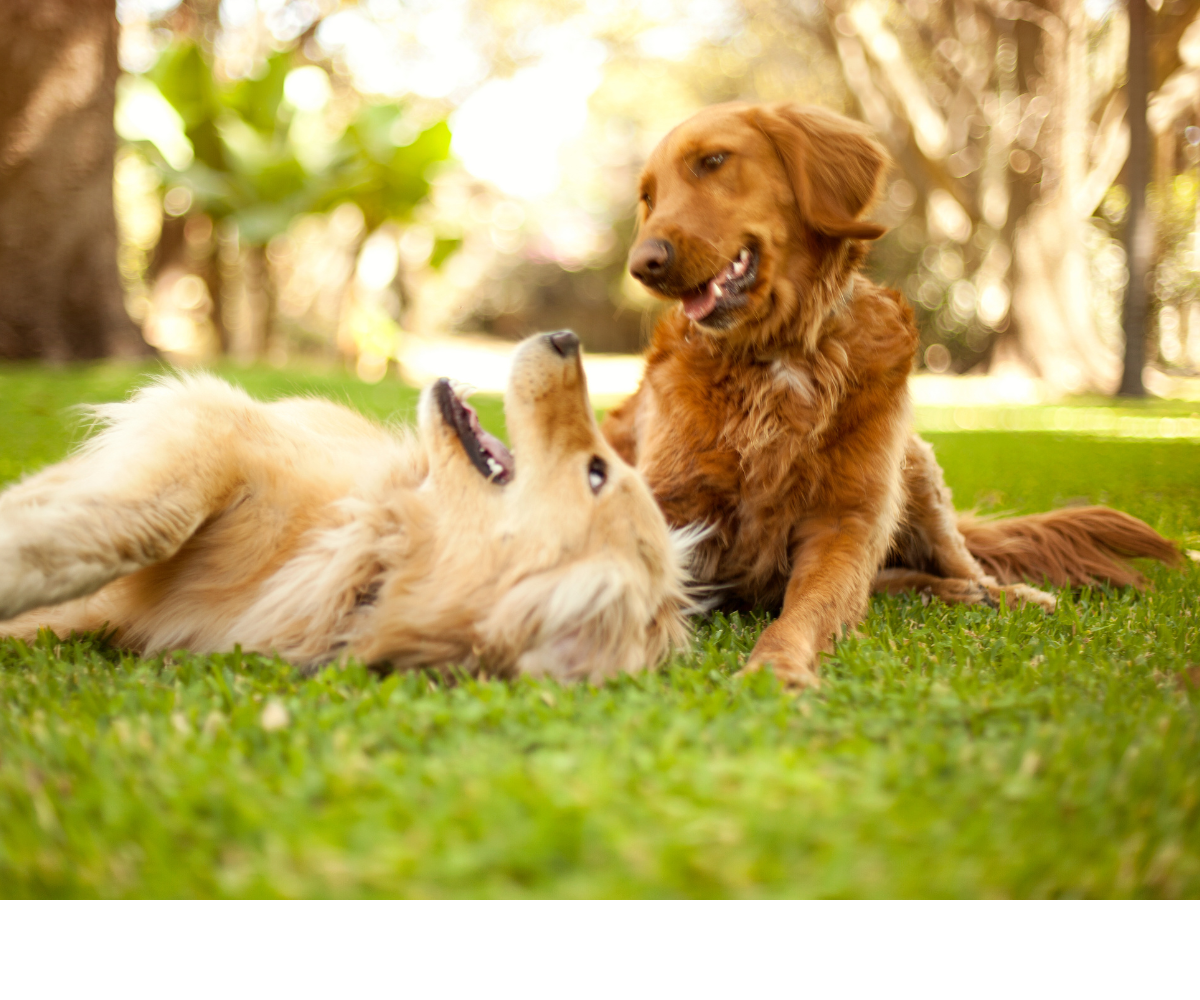
One of the easiest ways to determine if your dog needs a friend is by observing their behavior when they encounter other dogs. If your dog consistently shows interest in other dogs, it may be a sign that they are lonely and in need of companionship. On the other hand, if your dog seems disinterested or even fearful of other dogs, it may be a sign that they need more socialization.
To determine your dog's behavior towards other dogs, try taking them to a dog park or other public area where dogs are allowed. Observe your dog's behavior from a distance, without interfering. If your dog eagerly approaches other dogs, sniffs them, and engages in play, it may be a sign that they are craving more social interaction.
On the other hand, if your dog seems hesitant or fearful around other dogs, it may be a sign that they need more socialization and exposure to other dogs.
Assessing Your Dog's Behavior
Before introducing a new dog into your household, it's important to assess your current dog's behavior and temperament. This will help you determine whether or not your dog is ready for a new friend.
If your dog displays aggression towards other dogs, it may not be a good idea to introduce a new dog into the household. Signs of aggression may include growling, barking, snarling, or lunging at other dogs. It's important to address these behaviors before introducing a new dog, as they can lead to fights and injuries.
How To Introduce New Dogs?
Dogs are social animals and enjoy spending time with other dogs. While some dogs may be perfectly content as the only pet in a household, others may benefit greatly from the company of a furry friend. In this section, we will explore the benefits of introducing a new companion to your dog and provide tips for a successful introduction.
Supervised Playtime and Interaction
Introducing a new dog to your household requires careful planning and supervision. It's important to introduce dogs on neutral territory and to keep them on a leash during the initial meeting. This allows them to get to know each other without feeling threatened or territorial.
Once the dogs have become acquainted, supervised playtime and interaction can be beneficial for both dogs. Socialization is important for dogs to learn proper behavior and communication with other dogs. It also provides exercise and mental stimulation, which can improve their overall health and well-being.
Gradual Introduction and Patience
Introducing a new dog to your household should be done gradually and with patience. It's important to give your current dog time to adjust to the new addition and to establish their own hierarchy. This can take anywhere from a few days to a few weeks, depending on the dogs' personalities and temperaments.
During this time, it's important to keep the dogs separated when unsupervised and to monitor their interactions closely. It's also important to continue training and socializing both dogs to ensure they are well-behaved and comfortable around each other.
Alternative Solutions for Dog Socialization
Dog socialization is important for your furry friend's mental and physical well-being. However, not all pet owners have the time or resources to get another dog. Fortunately, there are alternative solutions for dog socialization.
Doggy Daycare and Play Dates
Doggy daycare is a great way to socialize your dog while you're at work. Many doggy daycare facilities offer playtime, walks, and other activities to keep your dog happy and stimulated. Additionally, your dog will get to interact with other dogs and make new friends.
If you prefer a more personal touch, play dates are a great option. You can arrange play dates with other dog owners in your area or with friends and family who have dogs. This allows your dog to socialize in a familiar environment and with dogs that they already know.
Regular Visits to Dog Parks
Dog parks are another great option for dog socialization. They provide a safe and controlled environment for your dog to play and interact with other dogs. Additionally, dog parks offer a variety of activities such as agility courses and obstacle courses to keep your dog active and engaged.
When visiting a dog park, it's important to follow the rules and guidelines to ensure the safety of all dogs and their owners. Always supervise your dog and be aware of their behavior to prevent any conflicts with other dogs.
When to Seek Professional Help
While introducing a new dog to your household can be a great way to provide companionship for your furry friend, there are certain situations where seeking professional help may be necessary. Here are some instances where consulting with a veterinarian or a professional dog trainer may be recommended.
Identifying Medical Problems
Before introducing a new dog to your household, it is important to ensure that your current dog is healthy and free from any medical issues that could make it difficult for them to interact with a new companion. If your dog has a history of medical problems, it is best to consult with a vet to ensure that they are healthy enough to handle a new addition to the family. Additionally, if your dog displays any unusual behaviors or symptoms, such as lethargy, loss of appetite, or excessive panting, it may be indicative of an underlying medical issue that requires attention.
Behavioral Training and Medications
If your dog displays aggressive or fearful behavior towards other dogs, or has a history of bad behavior, it may be necessary to seek the help of a professional dog trainer. A trainer can work with your dog to help them develop better social skills and reduce aggressive tendencies. In some cases, medication may also be prescribed to help manage anxiety or other behavioral issues.
The Bottom Line
So there you have it, it is important to recognize the signs that your dog may need a friend. Dogs are social animals and thrive on companionship and bonds with others. By providing your dog with a furry companion, you can greatly improve their quality of life and overall happiness.
By recognizing the signs and taking the necessary steps to introduce a new friend, you can ensure that your furry companion is happy and that's what is most important. A happy dog is a happy owner.

Subscribe to Petfluence!
Get updates on the latest posts and more from Petfluence straight to your inbox.